Buy 9mesi.eu ?
We are moving the project
9mesi.eu .
Are you interested in purchasing the domain
9mesi.eu ?
domain@kv-gmbh.de · 0541-91531010
Buy 9mesi.eu ?
What is the deontological perspective?
The deontological perspective is an ethical theory that focuses on the inherent rightness or wrongness of actions themselves, rather than the consequences of those actions. It is based on the idea that certain actions are morally obligatory regardless of their outcomes. Deontologists believe that individuals have a duty to follow certain moral rules or principles, such as honesty or respecting others' autonomy, regardless of the potential benefits or harms that may result. This perspective is often associated with philosophers like Immanuel Kant, who argued that moral principles are universal and apply to all rational beings. **
What is meant by deontological and teleological?
Deontological ethics is an ethical theory that focuses on the inherent rightness or wrongness of actions themselves, rather than the consequences of those actions. It emphasizes the importance of following moral rules and duties, regardless of the outcomes. On the other hand, teleological ethics, also known as consequentialism, is an ethical theory that evaluates the morality of actions based on their outcomes or consequences. It emphasizes the idea that the rightness or wrongness of an action is determined by the overall good or bad results it produces. In summary, deontological ethics focuses on the inherent nature of actions, while teleological ethics focuses on the outcomes of actions. **

Similar search terms for Deontological
Top-Angebote
Products related to Deontological:
-
Uplift Essentials Octagonal Sanctuary Professional Pet Nursery & Maternity Tent Octagonal Sanctuary Professional Pet Nursery & Maternity TentCreate a safe, controlled environment for your pets most important moments with the Octagonal Pet Nursery Tent. Whether you are setting up a dedicated cat maternity room for a new litter or a secure play zone for curious kittens, this enclosure...104,97 $*Shipping: 0,00 $Secure redirect to the provider
-
Inspire Essentials Pangdube Maternity Comfort U Shape Pregnancy Pillow white 2Experience soothing fullbody support through every stage of motherhood with the pregnancy pillow Pangdube Maternity Comfort U Shape. Designed to cradle your body from head to toe, this plush pillow eases tension on your back, hips, and legs while...112,98 $*Shipping: 0,00 $Secure redirect to the provider
-
Uplifted Finds Velvet Maternity Pillow Full Body Support Pregnancy Pillow grayEnjoy soft, comfortable support throughout pregnancy with this luxurious velvet maternity pillow. The silky velvet cover feels gentle against the skin, offering a cozy resting place for your growing bump, aching hips and tired legs. Designed for...116,97 $*Shipping: 0,00 $Secure redirect to the provider
-
Inspire Essentials Pangdube Maternity Comfort U Shape Pregnancy Pillow pink 1Experience soothing fullbody support through every stage of motherhood with the pregnancy pillow Pangdube Maternity Comfort U Shape. Designed to cradle your body from head to toe, this plush pillow eases tension on your back, hips, and legs while...46,48 $*Shipping: 0,00 $Secure redirect to the provider



-
Does Kant's deontological ethics contradict Aristotle's eudaemonistic ethics?
Kant's deontological ethics and Aristotle's eudaemonistic ethics have some fundamental differences, but they do not necessarily contradict each other. Kant's ethics focus on duty and the intention behind actions, while Aristotle's ethics emphasize achieving eudaimonia, or human flourishing, through virtuous actions. While Kant's emphasis on duty can sometimes conflict with Aristotle's emphasis on virtue, both ethical theories ultimately aim to guide individuals towards leading a good and moral life. Therefore, while they may approach ethics from different perspectives, they can be seen as complementary rather than contradictory. **
-
How would you describe motherhood and parenting?
Motherhood and parenting are a unique and rewarding journey that involves unconditional love, selflessness, and constant learning. It is a role that requires patience, empathy, and the ability to adapt to the ever-changing needs of children. It also involves providing guidance, support, and nurturing a child's physical, emotional, and intellectual development. Overall, motherhood and parenting are a profound and transformative experience that brings immense joy and fulfillment. **
-
Does discourse ethics have a teleological or deontological approach?
Discourse ethics is primarily associated with a deontological approach. It focuses on the principles of communication and interaction between individuals, emphasizing the importance of ethical norms and rules in guiding discourse. The goal is to ensure that communication is based on mutual respect, equality, and rationality, rather than aiming towards a specific outcome or goal. By prioritizing the ethical principles of communication, discourse ethics aims to create a fair and just dialogue among participants. **
-
What is the difference between deontological ethics and utilitarianism?
Deontological ethics is an ethical theory that focuses on the inherent rightness or wrongness of actions themselves, regardless of their consequences. It emphasizes the importance of following moral rules and duties, such as telling the truth or keeping promises, regardless of the outcomes. On the other hand, utilitarianism is a consequentialist ethical theory that evaluates the morality of actions based on their outcomes. It prioritizes maximizing overall happiness or well-being for the greatest number of people, often through the calculation of benefits and harms. In summary, deontological ethics emphasizes the inherent morality of actions, while utilitarianism focuses on the consequences of actions. **


Is deontological ethics exactly the same as the categorical imperative?
Deontological ethics is a broader ethical theory that states that actions are inherently right or wrong, regardless of their consequences. The categorical imperative, on the other hand, is a specific formulation within deontological ethics proposed by Immanuel Kant. While the categorical imperative is a key component of deontological ethics, deontological ethics encompasses a wider range of principles and theories beyond just the categorical imperative. **
What are the differences between deontological ethics and utilitarian ethics?
Deontological ethics, also known as duty-based ethics, focuses on the inherent rightness or wrongness of actions themselves, regardless of their consequences. It emphasizes following moral rules and duties, such as telling the truth or keeping promises, based on principles like the categorical imperative. On the other hand, utilitarian ethics, also known as consequentialist ethics, prioritizes the outcomes or consequences of actions. It aims to maximize overall happiness or well-being for the greatest number of people, often through the calculation of benefits and harms. While deontological ethics emphasizes duty and rules, utilitarian ethics prioritizes the greatest good for the greatest number. **
Top-Angebote
Products related to Deontological:
-
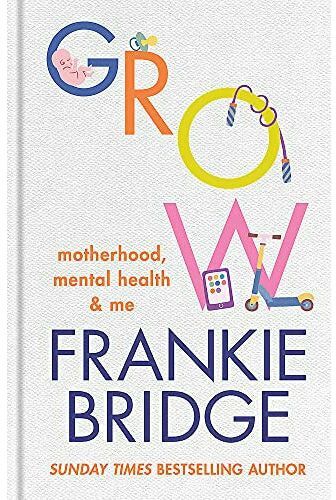
BRAZEN Grow by Frankie Bridge – Motherhood, Mental Health & Maternity GuideFrankie Bridge, GROW Book, Motherhood, Mental Health, Maternity In GROW, Sunday Times bestselling author Frankie Bridge opens up about her journey with her maternal mental health. Part narrative exploration, part first aid manual for mothers this book will discuss the hidden growing pains which take place when you become a parent. Its chapters cover the HOW TOs, WHAT IFs?, WILL Is? and WHY DOs? anxious questions all mothers ask themselves when they believe they are doing it wrong whilst also offering a brutally honest account of how hard it can be to grow a baby and raise a child whilst you are still growing into yourself. The book will combine Frankie's mental health journey into motherhood with the notes of psychologist, Maleha Khan, who will unpack the problems she experienced as she became a mother. It will also include additional guidance and parental advice from the UK's leading paediatrician Dr Ed Abrahamson. tags;frankie bridge book5,49 £*Shipping: 2,99 £Secure redirect to the provider
-
Inspire Select DreamNest U Shaped Pregnancy & Nursing Pillow Full Body Maternity Support Cushion baby PinkExperience deeper, more comfortable rest throughout pregnancy and beyond. This supportive Ushaped pregnancy pillow is designed to cradle your body, relieve pressure, and promote better sleep posture. Crafted with a soft cotton pillowcase and plush...59,96 $*Shipping: 0,00 $Secure redirect to the provider
-
Uplift Essentials Octagonal Sanctuary Professional Pet Nursery & Maternity Tent Octagonal Sanctuary Professional Pet Nursery & Maternity TentCreate a safe, controlled environment for your pets most important moments with the Octagonal Pet Nursery Tent. Whether you are setting up a dedicated cat maternity room for a new litter or a secure play zone for curious kittens, this enclosure...104,97 $*Shipping: 0,00 $Secure redirect to the provider
-
Inspire Essentials Pangdube Maternity Comfort U Shape Pregnancy Pillow white 2Experience soothing fullbody support through every stage of motherhood with the pregnancy pillow Pangdube Maternity Comfort U Shape. Designed to cradle your body from head to toe, this plush pillow eases tension on your back, hips, and legs while...112,98 $*Shipping: 0,00 $Secure redirect to the provider
-
What is the deontological perspective?
The deontological perspective is an ethical theory that focuses on the inherent rightness or wrongness of actions themselves, rather than the consequences of those actions. It is based on the idea that certain actions are morally obligatory regardless of their outcomes. Deontologists believe that individuals have a duty to follow certain moral rules or principles, such as honesty or respecting others' autonomy, regardless of the potential benefits or harms that may result. This perspective is often associated with philosophers like Immanuel Kant, who argued that moral principles are universal and apply to all rational beings. **
-
What is meant by deontological and teleological?
Deontological ethics is an ethical theory that focuses on the inherent rightness or wrongness of actions themselves, rather than the consequences of those actions. It emphasizes the importance of following moral rules and duties, regardless of the outcomes. On the other hand, teleological ethics, also known as consequentialism, is an ethical theory that evaluates the morality of actions based on their outcomes or consequences. It emphasizes the idea that the rightness or wrongness of an action is determined by the overall good or bad results it produces. In summary, deontological ethics focuses on the inherent nature of actions, while teleological ethics focuses on the outcomes of actions. **
-
Does Kant's deontological ethics contradict Aristotle's eudaemonistic ethics?
Kant's deontological ethics and Aristotle's eudaemonistic ethics have some fundamental differences, but they do not necessarily contradict each other. Kant's ethics focus on duty and the intention behind actions, while Aristotle's ethics emphasize achieving eudaimonia, or human flourishing, through virtuous actions. While Kant's emphasis on duty can sometimes conflict with Aristotle's emphasis on virtue, both ethical theories ultimately aim to guide individuals towards leading a good and moral life. Therefore, while they may approach ethics from different perspectives, they can be seen as complementary rather than contradictory. **
-
How would you describe motherhood and parenting?
Motherhood and parenting are a unique and rewarding journey that involves unconditional love, selflessness, and constant learning. It is a role that requires patience, empathy, and the ability to adapt to the ever-changing needs of children. It also involves providing guidance, support, and nurturing a child's physical, emotional, and intellectual development. Overall, motherhood and parenting are a profound and transformative experience that brings immense joy and fulfillment. **
Similar search terms for Deontological
-
Uplifted Finds Velvet Maternity Pillow Full Body Support Pregnancy Pillow grayEnjoy soft, comfortable support throughout pregnancy with this luxurious velvet maternity pillow. The silky velvet cover feels gentle against the skin, offering a cozy resting place for your growing bump, aching hips and tired legs. Designed for...116,97 $*Shipping: 0,00 $Secure redirect to the provider
-
Inspire Essentials Pangdube Maternity Comfort U Shape Pregnancy Pillow pink 1Experience soothing fullbody support through every stage of motherhood with the pregnancy pillow Pangdube Maternity Comfort U Shape. Designed to cradle your body from head to toe, this plush pillow eases tension on your back, hips, and legs while...46,48 $*Shipping: 0,00 $Secure redirect to the provider
-
Inspire Essentials Pangdube Maternity Comfort U Shape Pregnancy Pillow pink 2Experience soothing fullbody support through every stage of motherhood with the pregnancy pillow Pangdube Maternity Comfort U Shape. Designed to cradle your body from head to toe, this plush pillow eases tension on your back, hips, and legs while...112,98 $*Shipping: 0,00 $Secure redirect to the provider
-
Inspire Essentials Pangdube Maternity Comfort U Shape Pregnancy Pillow white 1Experience soothing fullbody support through every stage of motherhood with the pregnancy pillow Pangdube Maternity Comfort U Shape. Designed to cradle your body from head to toe, this plush pillow eases tension on your back, hips, and legs while...46,48 $*Shipping: 0,00 $Secure redirect to the provider
-
Does discourse ethics have a teleological or deontological approach?
Discourse ethics is primarily associated with a deontological approach. It focuses on the principles of communication and interaction between individuals, emphasizing the importance of ethical norms and rules in guiding discourse. The goal is to ensure that communication is based on mutual respect, equality, and rationality, rather than aiming towards a specific outcome or goal. By prioritizing the ethical principles of communication, discourse ethics aims to create a fair and just dialogue among participants. **
-
What is the difference between deontological ethics and utilitarianism?
Deontological ethics is an ethical theory that focuses on the inherent rightness or wrongness of actions themselves, regardless of their consequences. It emphasizes the importance of following moral rules and duties, such as telling the truth or keeping promises, regardless of the outcomes. On the other hand, utilitarianism is a consequentialist ethical theory that evaluates the morality of actions based on their outcomes. It prioritizes maximizing overall happiness or well-being for the greatest number of people, often through the calculation of benefits and harms. In summary, deontological ethics emphasizes the inherent morality of actions, while utilitarianism focuses on the consequences of actions. **
-
Is deontological ethics exactly the same as the categorical imperative?
Deontological ethics is a broader ethical theory that states that actions are inherently right or wrong, regardless of their consequences. The categorical imperative, on the other hand, is a specific formulation within deontological ethics proposed by Immanuel Kant. While the categorical imperative is a key component of deontological ethics, deontological ethics encompasses a wider range of principles and theories beyond just the categorical imperative. **
-
What are the differences between deontological ethics and utilitarian ethics?
Deontological ethics, also known as duty-based ethics, focuses on the inherent rightness or wrongness of actions themselves, regardless of their consequences. It emphasizes following moral rules and duties, such as telling the truth or keeping promises, based on principles like the categorical imperative. On the other hand, utilitarian ethics, also known as consequentialist ethics, prioritizes the outcomes or consequences of actions. It aims to maximize overall happiness or well-being for the greatest number of people, often through the calculation of benefits and harms. While deontological ethics emphasizes duty and rules, utilitarian ethics prioritizes the greatest good for the greatest number. **
* All prices are inclusive of VAT and, if applicable, plus shipping costs. The offer information is based on the details provided by the respective shop and is updated through automated processes. Real-time updates do not occur, so deviations can occur in individual cases. ** Note: Parts of this content were created by AI.